English
 Français
 Pусский
 Español
 Português
 ไทย
ไทย العربية
 िन्दी
िन्दी Indonesia
Индивидуальные решения для обслуживания путей

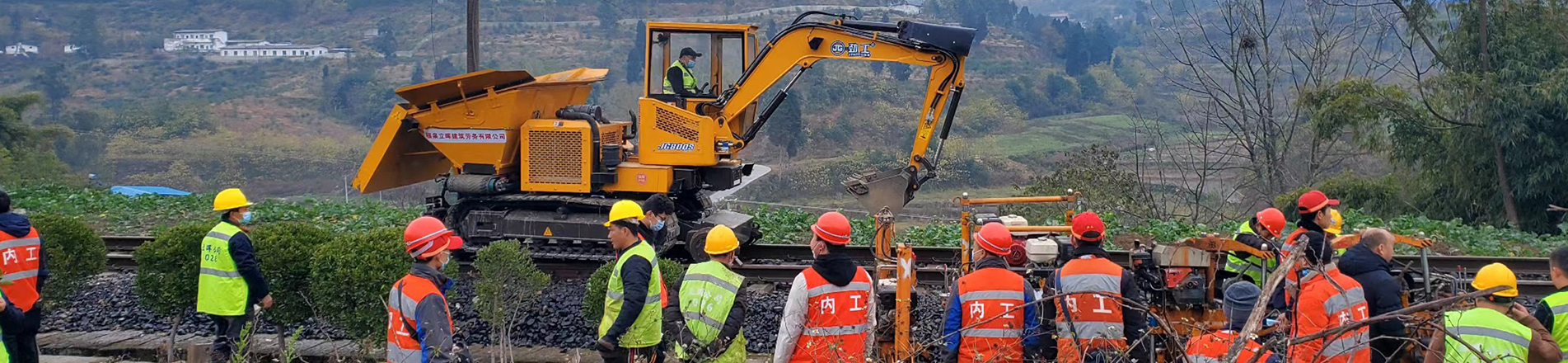
Для небольших проектов по техническому обслуживанию железных дорог ручная трамбовка имеет более низкую первоначальную стоимость, но гидравлические трамбовочные машины могут обеспечить значительно более высокую производительность и сократить трудозатраты при необходимости непрерывного технического обслуживания путей.
Ключевое различие заключается не просто в силе уплотнения машины. Оно состоит в количестве шпал, которые бригада может обработать в течение доступного времени для проведения ремонтных работ на железной дороге.
Опубликованные технические данные по железным дорогам показывают, что некоторые ручные устройства для трамбовки могут обеспечить примерно такой результат. 10–12 шпал в час на один трамбовщикс потребностью в рабочей силе в размере 6 человек в каждой группе при заданных условиях эксплуатации. Другие отраслевые источники указывают на производительность ручной трамбовки приблизительно на уровне... 40–80 спящих в час на единицу оборудования, в зависимости от состояния балласта и квалификации оператора.
Для сравнения, компактные гидравлические трамбовочные машины обычно демонстрируют производительность в диапазоне от... 200–400 спящих в часс примерами вокруг 260–320 спящих в час.
Это создает существенную разницу в производительности, когда необходимо обслуживать сотни или тысячи шпал.
Ручная трамбовка по-прежнему практична для мелкого ремонта, устранения отдельных дефектов и в местах с затрудненным доступом оборудования, но ее производительность в значительной степени зависит от численности персонала и утомляемости рабочих.
Типичная операция ручного уплотнения требует от рабочих многократного выполнения следующих действий:
1. Расположите трамбовочный инструмент
2. Разбить или ослабить балласт
3. Вставьте инструмент под шпалу.
4. Компактный балласт
5. Перейдите на следующую позицию
Для небольшого локального ремонта такой подход может быть экономичным, поскольку инвестиции в оборудование невелики.
Однако производительность снижается, когда:
· Бетонные шпалы используются
· Балласт сильно уплотнен
· Увеличение глубины трамбовки
· Геометрия путевого полотна требует многократной коррекции.
· Непрерывная работа длится несколько часов.
Например, если команда добивается 40 спящих в часДля содержания 400 спальных мест требуется приблизительно 10 продуктивных часов прежде чем рассматривать ротацию рабочих, доступ к железнодорожным путям, перемещение материалов и перебои, связанные с безопасностью.
В 10–12 спящих в часОднако для тех же 400 спальных мест может потребоваться более 100 мест. 33 часа работы бригады непосредственно на утрамбовку одного трамбовщика., на основе приведенного выше технического примера железной дороги.
Именно здесь масштабирование процесса ручной трамбовки становится затруднительным.
Главное преимущество гидравлической трамбовки заключается не просто в более сильной вибрации, а в повторяемости цикла трамбовки.
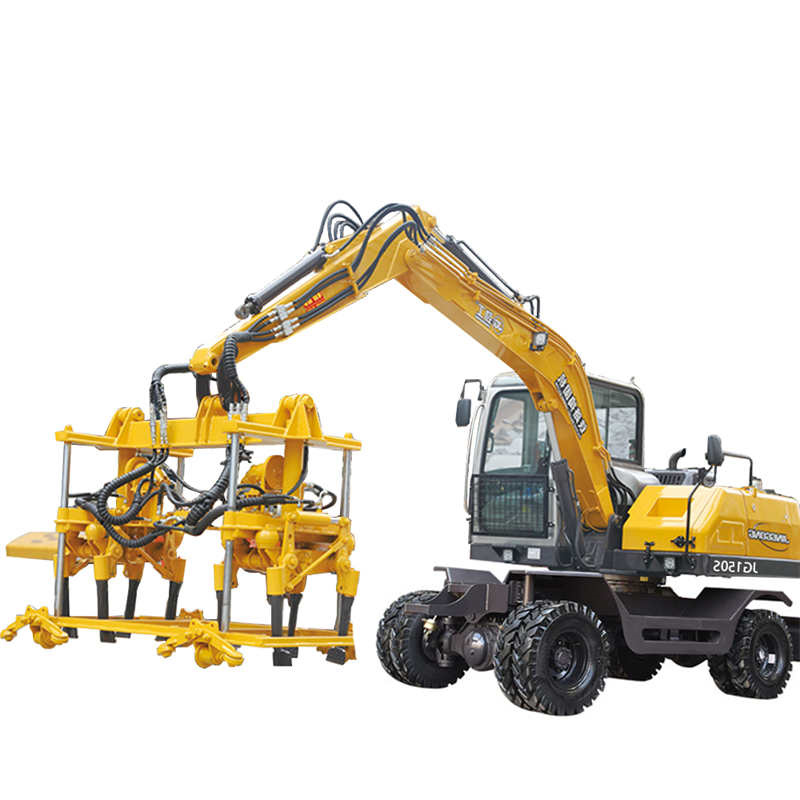
Гидравлическая трамбовочная машина может включать в себя следующие компоненты:
· Вставка трамбовочного инструмента
· Вибрация
· Уплотнение балласта
· Зажим
· Подъем или перемещение
в контролируемый механический цикл.
Например, в одной из опубликованных технических характеристик гидравлической машины указано следующее:
· Гидравлическое давление: 5–6 МПа
· Частота вибрации: 66,7 Гц
· Сила вибрации: 22 кН
· Глубина трамбовки: приблизительно 110 ± 10 мм
· Производительность: ≥270 спящих/час
Еще один гидравлический балластный трамбовщик имеет киль. 280–320 спящих в час, приблизительно с 22 кН вибрационная сила и 90–120 мм Глубина введения.
Эти цифры следует рассматривать как производительность, указанная производителем или эталонная производительностьВместо гарантированной производительности на месторождении. Фактическая производительность в значительной степени зависит от состояния балласта, расстояния между шпалами, геометрии пути и опыта оператора.
Именно здесь экономическое сравнение становится интересным.
Предположим, что для выполнения проекта по техническому обслуживанию требуется... 1000 спальных мест подлежащий утрамбовке.
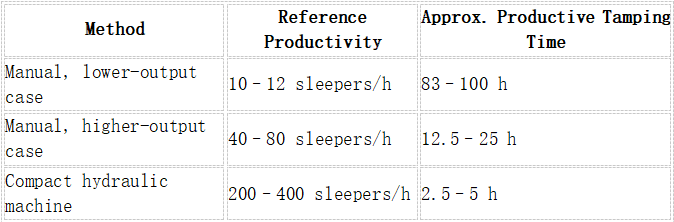
Приведенные выше цифры рассчитаны на основе опубликованных диапазонов производительности и не должны рассматриваться как гарантированный результат проекта.
Даже при консервативном сравнении 60 шпал в час при ручной укладке против 270 шпал в час при механической.Гидравлическая машина имеет приблизительно В 4,5 раза больше теоретической пропускной способности.
Что еще более важно, механическая система достигает этого с помощью гораздо меньшего количества людей, непосредственно выполняющих физическую работу по утрамбовке.
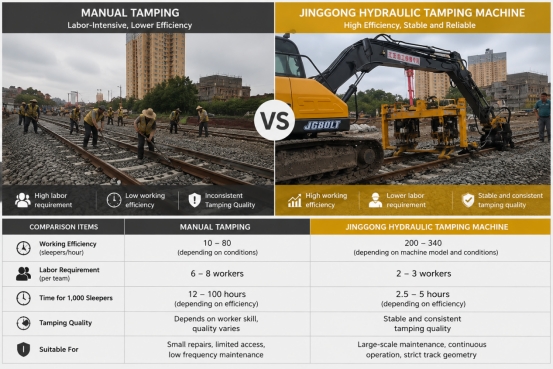
Для подрядчиков реальным показателем для сравнения должна быть общая стоимость обслуживания одной шпалы, а не просто цена покупки трамбовочной машины.
Рассмотрим упрощенный пример.
Ручная бригада 6 рабочих производит 60 спальных мест в час.
Это значит:
6 рабочих ÷ 60 спящих = 0,10 человеко-часов/спящий
Гидравлическая машина, приводимая в действие 2 рабочих При 270 спящих в час получается:
2 ÷ 270 = 0,0074 человеко-часов/спящий
Таким образом, теоретические трудозатраты на одного спящего человека значительно ниже.
Это не означает, что машина полностью исключает необходимость в рабочей силе. Операторы по-прежнему требуются для выполнения следующих задач:
· Работа машины
· Безопасность на трассе
· Позиционирование
· Проверка
· Обслуживание
Однако физическая нагрузка смещается от многократного ручного утрамбовывания к работе, управляемой машиной.
Ручная трамбовка не устарела; она по-прежнему полезна, когда ремонтная зона невелика или доступ к оборудованию затруднен.
Типичные области применения включают:
Например:
· Одна или несколько поврежденных шпал
· Небольшие участки рыхлого балласта
· Аварийное техническое обслуживание
Внедрение инструментов, требующих ручного управления, может быть проще в следующих случаях:
· Короткие подъездные пути
· Участки вблизи сооружений
· Места с затрудненным доступом
Если подрядчику требуется лишь изредка выполнять мелкий ремонт, приобретение гидравлической машины может оказаться экономически нецелесообразным.
Ключевой момент заключается в следующем: объем работы.
Гидравлическая трамбовка становится все более привлекательной по мере увеличения количества шпал и частоты необходимого технического обслуживания.
Он особенно подходит для:
· Длинные участки пути
· Реабилитация железных дорог
· Программы регулярного технического обслуживания
· Бетонные шпальные линии
· Техническое обслуживание грузовых железных дорог
· Станционные дворы
· Промышленные железные дороги
Например, если подрядчику необходимо утрамбовать грунт. 1000 спящих каждый месяцВ результате разница между затратами примерно 3–5 продуктивных машинных часов и десятками часов ручного труда становится значительной.
Расчет должен включать:
Затраты на рабочую силу + амортизация оборудования + топливо + техническое обслуживание + время простоя путей
а не только покупную цену.
После выбора механической трамбовки возникает вопрос, какая конфигурация — одноголовочная или двухголовочная — более подходит.
Двухголовочная система может повысить производительность, позволяя выполнять больше операций уплотнения в рамках каждого рабочего цикла.
Однако более высокая производительность не означает автоматически, что это лучший выбор.
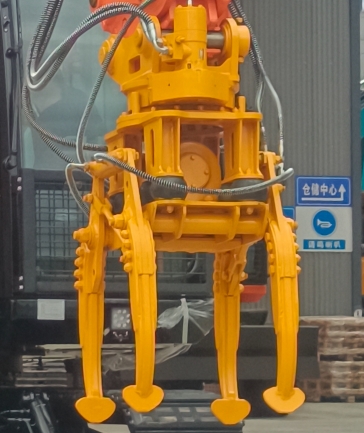
Лучше подходит для:
· Локализованное техническое обслуживание
· Сложные районы
· Ограниченное рабочее пространство
· Более мелкие подрядчики по техническому обслуживанию
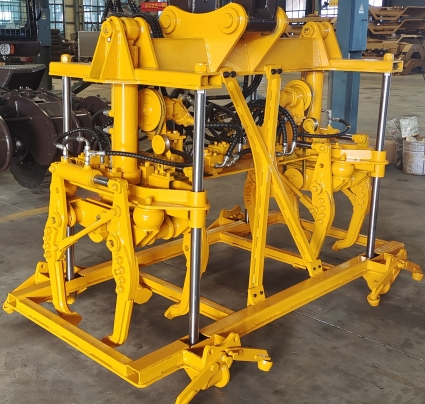
Более подходит для:
· Участки непрерывного пути
· Повышенная ежедневная рабочая нагрузка
· Более длительные периоды технического обслуживания
· Проекты, где приоритетом является производительность.
Некоторые компактные двухголовочные трамбовочные машины имеют номинальную мощность около... 100 спящих в часВ то время как другие гидравлические трамбовочные машины, использующие различные конфигурации, публикуют свои данные. 260–340 спящих в часЭти цифры демонстрируют, почему одной лишь «двухголовочной» конструкции не следует считать гарантией производительности; важна вся архитектура машины и рабочий цикл.
Для железнодорожных подрядчиков экономия времени простоя путей может быть более ценной, чем простое снижение затрат на рабочую силу.
Представьте, что у бригады по техническому обслуживанию железной дороги есть только 4-часовой рабочий интервал.
В:
· 40 спящих в час → приблизительно 160 спальных мест
· 80 спящих в час → приблизительно 320 спальных мест
· 270 спящих в час → приблизительно 1080 спальных мест
Это теоретические расчеты, и фактический объем работ в полевых условиях будет ниже, если учесть затраты на установку, позиционирование, осмотр и перемещение.
Тем не менее, эта разница наглядно демонстрирует, почему гидравлическая трамбовка становится все более ценной, когда время простоя железной дороги ограничено.
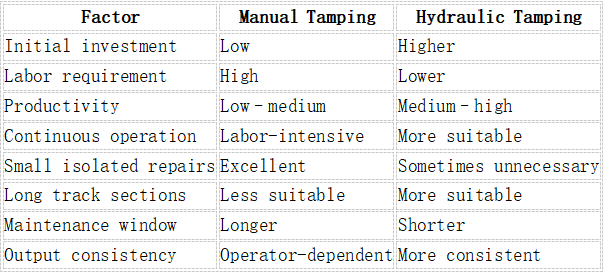
Ручная трамбовка остается практичным решением для небольших и локальных ремонтных работ на железной дороге, в то время как гидравлическая трамбовка становится более экономически выгодной, если учитывать объем работ по техническому обслуживанию, трудозатраты и ограниченное время простоя путей.
Поэтому решение не должно основываться на следующих критериях:
«Сколько стоит эта машина?»
Более уместный вопрос:
«Сколько шпал нам нужно обслуживать, сколько рабочих имеется в наличии и каков срок проведения ремонтных работ на железной дороге?»
Для проекта, включающего всего несколько десятков шпал, ручная техника может оставаться самым простым решением.
Для сотен или тысяч шпал преимущество в производительности, достигаемое за счет гидравлической трамбовки, может коренным образом изменить экономику работ по техническому обслуживанию.
Наиболее экономичным методом уплотнения грунта в конечном итоге является тот, который соответствует объему работ по техническому обслуживанию, состоянию пути, наличию рабочей силы и требуемому рабочему времени.
Сколько шпал может обработать ручная трамбовка в час?
Опубликованные данные сильно различаются. В одном из отчетов по техническим характеристикам железной дороги говорится следующее: 10–12 шпал в час на один ручной трамбовщик, в то время как другой отраслевой справочник дает приблизительно 40–80 спящих в час на единицу оборудованияв зависимости от условий работы.
Сколько шпал может обработать гидравлическая трамбовочная машина в час?
Компактные гидравлические машины обычно выпускают приблизительно 200–400 спящих в часхотя фактическая производительность месторождения зависит от состояния железнодорожных путей и методов эксплуатации.
Всегда ли гидравлическая трамбовка лучше ручной?
Нет. Ручная трамбовка может быть более экономичной для небольших, единичных ремонтных работ, когда нет необходимости задействовать оборудование.
Что важнее: сила уплотнения или производительность?
Важны оба параметра. Частота вибрации, сила уплотнения и глубина проникновения определяют эффективность уплотнения, а рабочий цикл определяет, сколько шпал можно фактически поддерживать в рабочем состоянии в течение доступного рабочего времени..