English
 Français
 Pусский
 Español
 Português
 ไทย
ไทย العربية
 िन्दी
िन्दी Indonesia
Индивидуальные решения для обслуживания путей

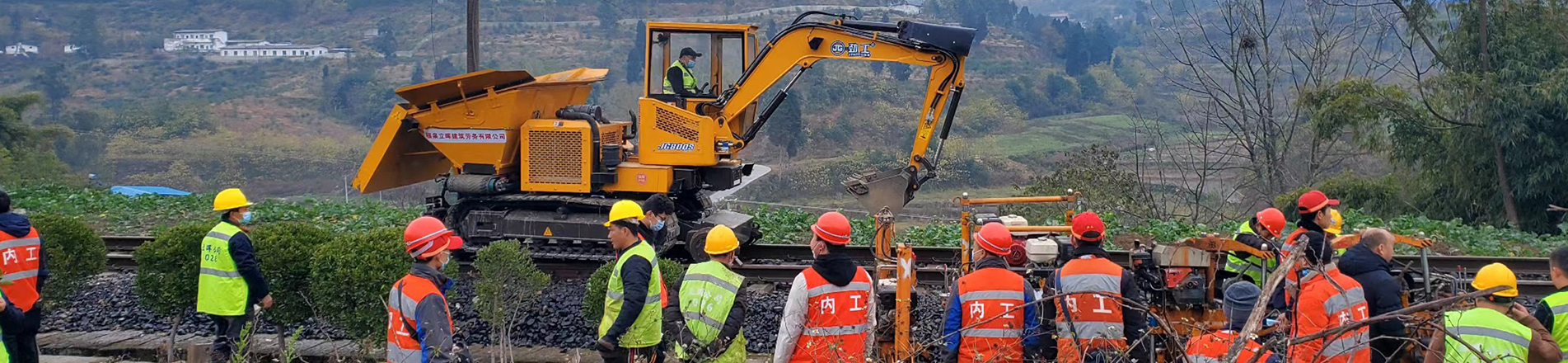
Надлежащим образом поддерживаемая балластная обочина имеет важное значение для устойчивости железнодорожного пути, эффективности дренажа и долгосрочной безопасности эксплуатации.
В процессе ежедневной эксплуатации железной дороги повторяющиеся нагрузки от поездов и вибрации постепенно изменяют профиль балласта. Со временем балласт может отходить от обочины пути, дренажные каналы могут забиваться, а боковое сопротивление пути может снижаться.
К распространённым проблемам с балластом относятся:
· Неравномерное распределение балласта
· Уменьшенная ширина плеч
· Плохая эффективность дренажа
· Вытеснение балласта после движения тяжелых поездов.
Регулятор балластного слоя на железнодорожном пути помогает восстановить заданный профиль балласта и поддерживать стабильное состояние пути.
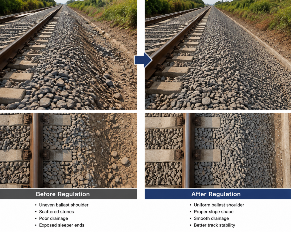
Регулятор балластной насыпи на железнодорожных путях — это специализированное гидравлическое устройство, предназначенное для изменения формы и перераспределения балласта вдоль железнодорожных путей.
В отличие от стандартных отвалов для земляных работ, он специально разработан для обслуживания балласта железнодорожных путей.
К его основным функциям относятся:
· Восстановление формы балластного плеча
· Перераспределение избыточного балласта
· Улучшение дренажных условий
· Обеспечение устойчивости пути
Данное крепление обычно устанавливается на:
· Железнодорожные экскаваторы
· Железнодорожные экскаваторы
· Многоцелевые машины для обслуживания железных дорог
Это гибкое решение для локальных проектов по техническому обслуживанию железных дорог.
В процессе длительной эксплуатации балласт постепенно смещается из-за вибрации поезда и осевых нагрузок.
Регулятор балласта изменяет форму плечевой зоны для восстановления правильной геометрии балласта.
Правильно поддерживаемый балластный профиль способствует:
· Улучшение сопротивления боковому перемещению гусениц
· Уменьшить движение по рельсам
· Поддерживайте стабильность соосности.
· Увеличьте интервалы между техническим обслуживанием.
Балласт используется не только для поддержки шпал, но и для отвода воды.
Когда балластные обочины становятся неровными:
· Отток воды замедляется
· Накапливаются грязь и мелкие частицы.
· Прочность балласта снижается.
Очищая и изменяя форму обочины, балластный регулятор способствует улучшению дренажа вокруг путевой конструкции.
Уплотнение и регулирование балласта решают различные проблемы технического обслуживания железных дорог.
Типичный процесс технического обслуживания включает в себя:
Трамбовочная машина:
· Корректирует геометрию пути.
· Поднимает и выравнивает направляющую.
· Уплотняет балласт под шпалами
Регулятор балласта:
· Восстанавливает форму плеча
· Перераспределяет балласт
· Улучшает дренаж
Вместе они создают более комплексное решение для технического обслуживания железнодорожных путей.
Традиционное ручное обслуживание балласта включает в себя:
· Больше работников
· Более длительное время технического обслуживания
· Более высокие затраты на рабочую силу
Насадка-регулятор гидравлического балласта обеспечивает:
Большие участки балластной обочины можно быстро отрегулировать с помощью одной машины.
Гидравлическое управление позволяет операторам добиться более равномерного балластного профиля.
Механизированное управление снижает воздействие вредных факторов на работников в условиях железнодорожного транспорта.
Регуляторы балластных плеч широко используются в:
· Новая установка железнодорожных путей
· Окончательное формирование балласта
· подготовка трассы
· Восстановление балласта
· Коррекция плеча
· Улучшение дренажной системы
· Реконструкция старой железной дороги
· Тяжелое грузовое железнодорожное техническое обслуживание
· Горнодобывающие и промышленные железные дороги
Для многих подрядчиков железнодорожный экскаватор, оснащенный различными навесными устройствами, обеспечивает большую гибкость при выполнении различных задач по техническому обслуживанию.
Выбор правильного крепления зависит от трех ключевых факторов.
Проверять:
· Вес машины
· Гидравлический поток
· Рабочее давление
· Система крепления
Неправильный подбор компонентов может привести к снижению эффективности работы или проблемам с гидравликой.
Железнодорожный балласт содержит высокоабразивные каменные материалы.
Профессиональный балластный регулятор должен обладать следующими характеристиками:
· Высокая износостойкость
· Стабильная конструкция лопастей
· Надежная регулировка рабочего угла
Различные железнодорожные приложения предъявляют разные требования.
Сосредоточиться на:
· Точный профиль балласта
· Гладкая геометрия колеи
Сосредоточиться на:
· Высокая боковая устойчивость
· Длительные интервалы между техническим обслуживанием
Сосредоточиться на:
· Гибкость
· Удобная транспортировка
· Снижение эксплуатационных расходов
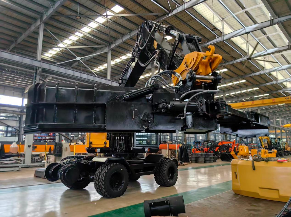
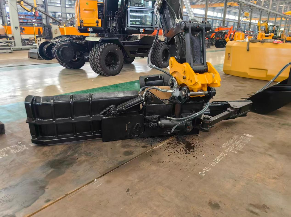
Регулятор балласта изменяет форму и перераспределяет балласт вдоль обочины пути для улучшения устойчивости пути и дренажа.
Да. Он широко используется с железнодорожными экскаваторами и многоцелевыми машинами для обслуживания железных дорог.
Да. Уплотнение улучшает балластную поддержку под шпалами, а регулирование восстанавливает внешний балластный профиль.
Обе операции дополняют друг друга.
Они широко используются в: