English
 Français
 Pусский
 Español
 Português
 ไทย
ไทย العربية
 िन्दी
िन्दी Indonesia
Индивидуальные решения для обслуживания путей

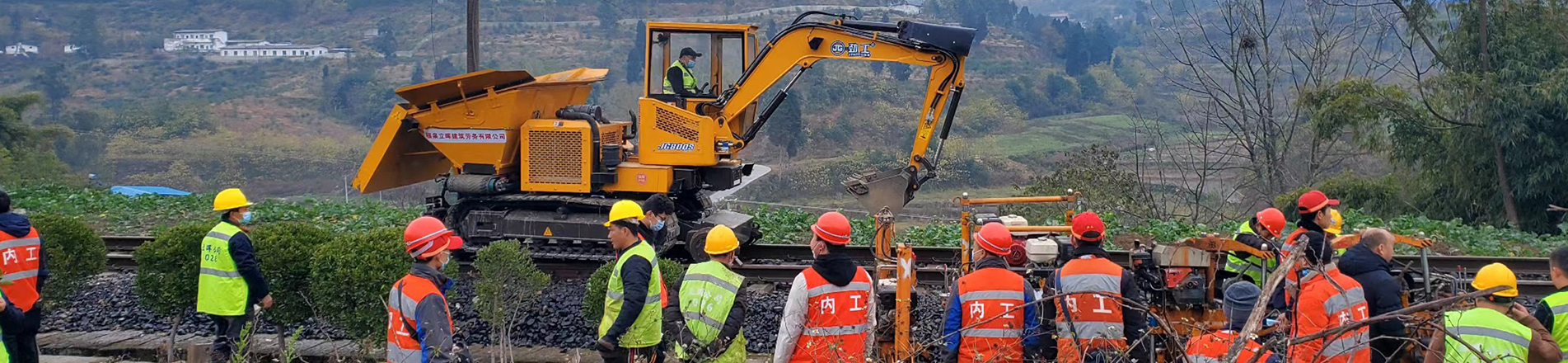
Король узких путей: как преодолеть строительные заторы на горных железных дорогах с помощью компактных экскаваторов?
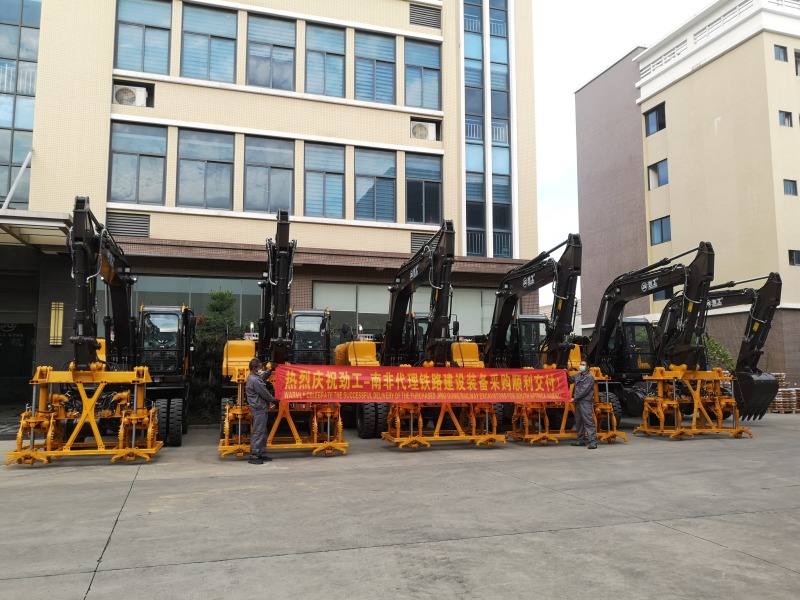
В густых тропических лесах Юго-Восточной Азии и извилистых горах Южной Америки строительство узкоколейных железных дорог часто сталкивается с такими трудностями, как крутые склоны и узкие тоннели. Узкие места в строительстве в этих районах часто вызваны пространственными ограничениями и сложным рельефом — эффективная работа рядом с узкими путями становится проблемой для инженерных бригад. И компактные экскаваторы, благодаря своим небольшим размерам и гибкости, становятся мощным инструментом для преодоления этих узких мест. Представьте себе горные районы северного Таиланда: на крутом склоне новой железной дороги необходимо засыпать и выкопать грунт. Традиционная техника с трудом поворачивает из-за своих больших размеров, но компактные экскаваторы легко справляются с этой задачей. Их чрезвычайно малый радиус поворота позволяет им перемещаться в узких пространствах, как змеи, избегая повреждения окружающей среды. В отличие от этого, в проекте тоннеля в Андах Перу та же техника продемонстрировала удивительную адаптивность к скалистым участкам, что не только сократило сроки строительства, но и снизило строительные риски.
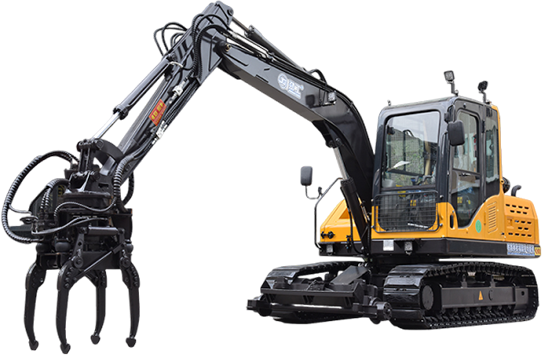
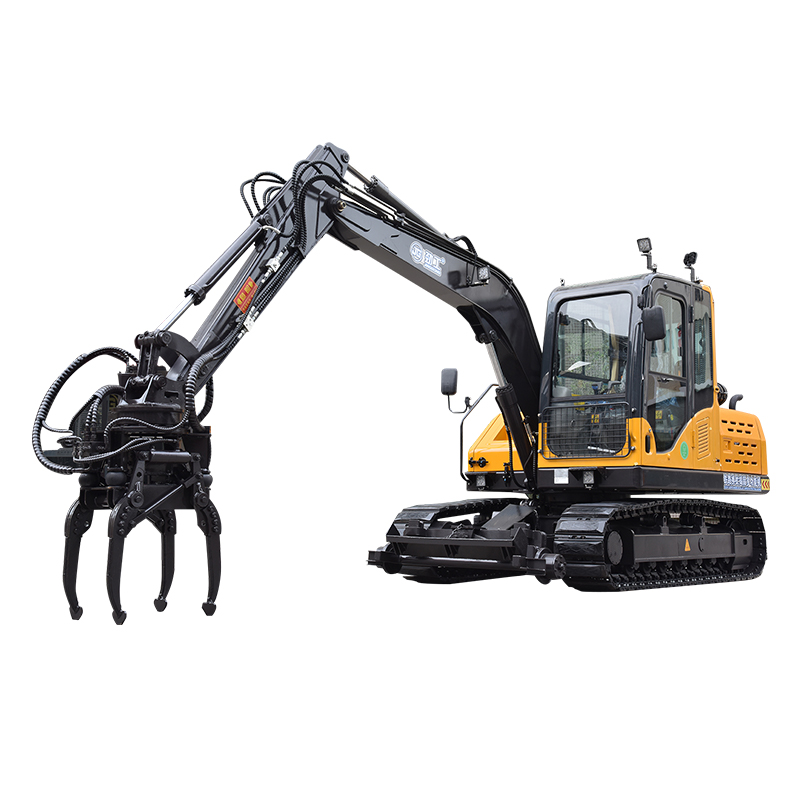
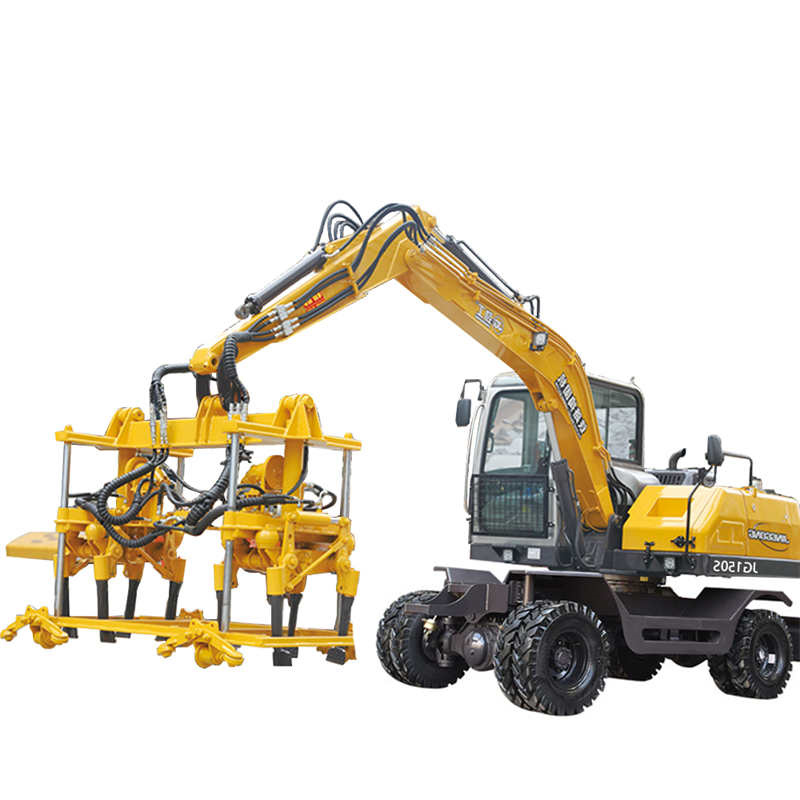
Гибкость компактных экскаваторов особенно заметна в экстремальных условиях, таких как крутые склоны и туннели. Например, в сезон дождей в Юго-Восточной Азии при строительстве на крутых склонах часто возникает риск оползней и обвалов, и технике необходимо быстро корректировать свое положение, чтобы избежать аварий. В этом случае преимущество в легкости, обеспечиваемое компактной конструкцией, позволяет ей стабильно работать на склоне, в отличие от крупной техники, которая склонна к потере равновесия. В то же время, при прокладке туннелей пространство часто ограничено, и компактные экскаваторы благодаря своим небольшим размерам могут гибко въезжать и выезжать из проходов, избегая столкновений. Что еще более важно, благодаря схемам модификации, таким как выбор ковшовых устройств для работы с щебнем, техника может легко справляться с различными геологическими условиями — в случае Южной Америки инженерам достаточно заменить усиленный ковш, чтобы эффективно проводить работы в твердых скальных породах без необходимости дополнительной остановки и регулировки. Такая гибкость модификации означает, что заказчики могут адаптировать оборудование в соответствии с требованиями проекта, плавно переключаясь с мягких грунтов на твердые породы.
Когда вы задумываетесь о собственном железнодорожном проекте, преимущества компактных экскаваторов могут вас впечатлить. Будь то влажные джунгли Юго-Восточной Азии или суровые горы Южной Америки, основные технологии оборудования — такие как конструкция с минимальным радиусом поворота — обеспечивают его эффективную работу на узких поворотах. Схема модернизации — это завершающий штрих: выбор ковшей для камнеломок не только повышает эффективность, но и снижает износ оборудования, продлевая срок его службы. Представьте, что на вашей новой железнодорожной линии это универсальное оборудование сможет не только преодолевать заторы на крутых склонах и в туннелях, но и экономить средства и рабочую силу. Почему бы не оценить условия вашей строительной площадки прямо сейчас? Компактный экскаватор может стать поворотным моментом для успеха вашего проекта. Это не просто инструмент, а король узкоколейных железных дорог, помогающий вам преодолевать горные препятствия и открывать новую эру строительства!